
We Speak Up: Harris Kafarides
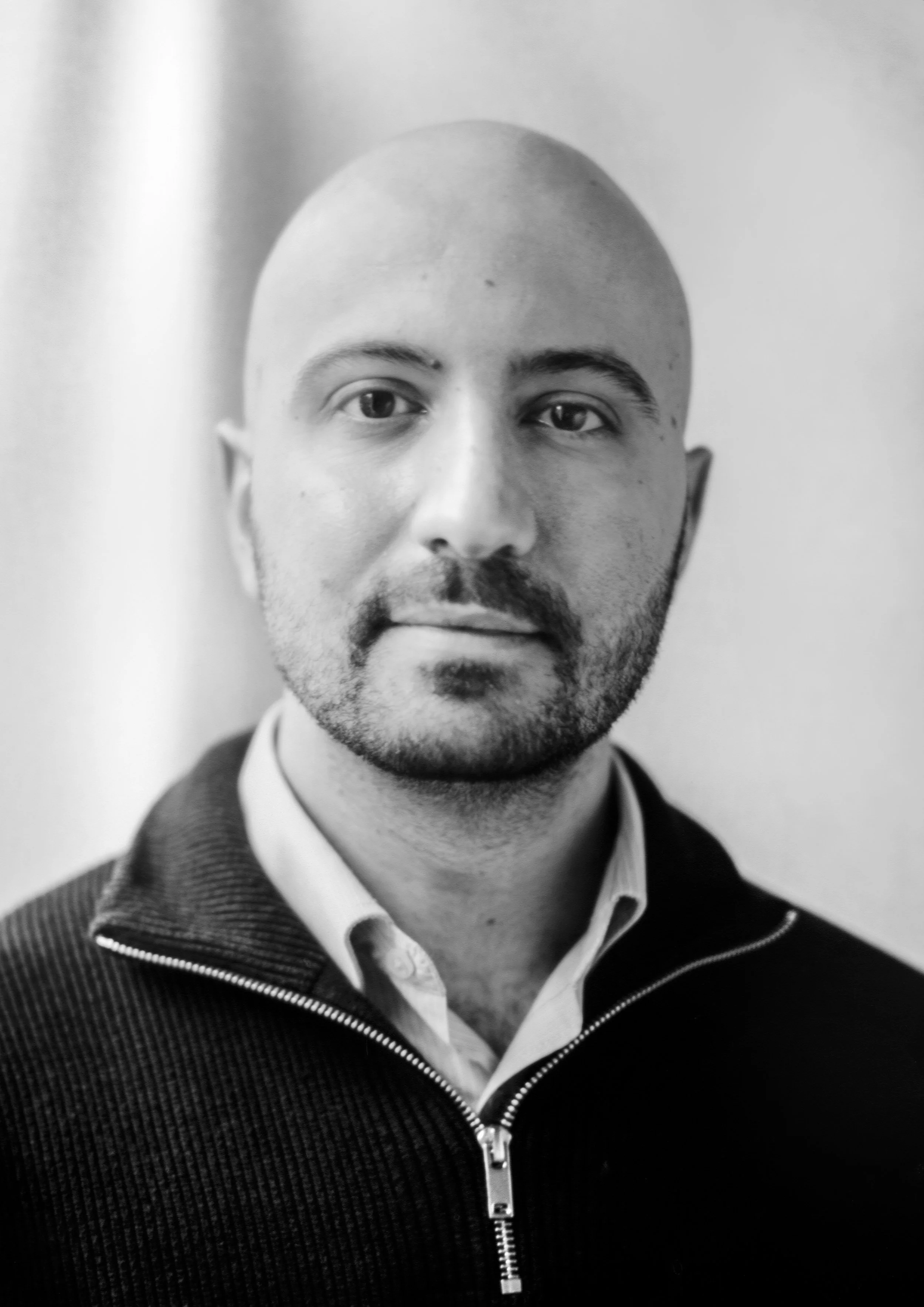
Photography: Claudia Janke
Meet Harris Kafarides, a White Ribbon UK Ambassador and Qualified Accountant, committed to speaking up and taking action to help end violence against women and girls. We spoke to Harris about his motivations for becoming an Ambassador, his personal experiences, and why it matters for men to be active allies.
What motivates you to be a White Ribbon Ambassador?
I’m motivated by both pride and responsibility. I’m originally from Cyprus, a place I love deeply, but I also recognise the harm caused when misogyny goes unchallenged. That tension—between pride in my heritage and the need to confront behaviours that hurt women and girls—drives me to use my voice.
Learning more about men’s violence against women and girls was genuinely eye‑opening; once you see the scale and impact, silence isn’t an option. Being an Ambassador provides a practical framework to act: to raise awareness, challenge harmful norms and model allyship in everyday settings.
Do you have a personal story or experience you’d like to share?
My journey has been about awareness turning into action. As I learned more, I became much more conscious of moments where women might feel unsafe—even in ordinary settings—and of how my presence, and other men’s behaviour, can affect that.
I haven’t had to intervene in a serious incident yet, but I’ve started conversations with friends and colleagues, and I prepare myself to act safely if needed—for example, knowing bystander steps like interrupting a situation, offering someone an exit, speaking to staff, and checking in with the person targeted. I also keep key help resources to hand (such as the National Domestic Abuse Helpline) because signposting can be a simple, vital way to support someone.
These small, consistent choices—speaking up, being present, and being prepared—are how change starts.
What message would you give to other men, to encourage them to be allies to women and girls?
Start by looking inward. Ask yourself how you would want to be treated if violence or harassment affected you or someone you love—and let that empathy guide your actions. Equality isn’t a political talking point; it’s a basic ethical principle we live by every day. Then, turn reflection into behaviour: listen to the women and girls in your life; challenge harmful language and “jokes”; learn how to intervene safely; and know where people can find help.
Finally, make the White Ribbon Promise and keep it visible in daily life—at work, at home, and in public spaces. Allyship is demonstrated through everyday choices and the example we set. When men speak up with respect and resolve, we help create the conditions in which everyone can thrive.